 Rukmini Secondary School
About Us
Background
Schools are leading institutions for social transformation. They play a vital role in turning every individual into a civilized and responsible citizen, thereby contributing significantly to the nation's development. In light of public concerns regarding the declining educational quality of public schools compared to private ones, the current government has committed to gradually developing community schools as model institutions. Accordingly, Shree Rukmini Secondary School has been selected for development into a model school based on set criteria.
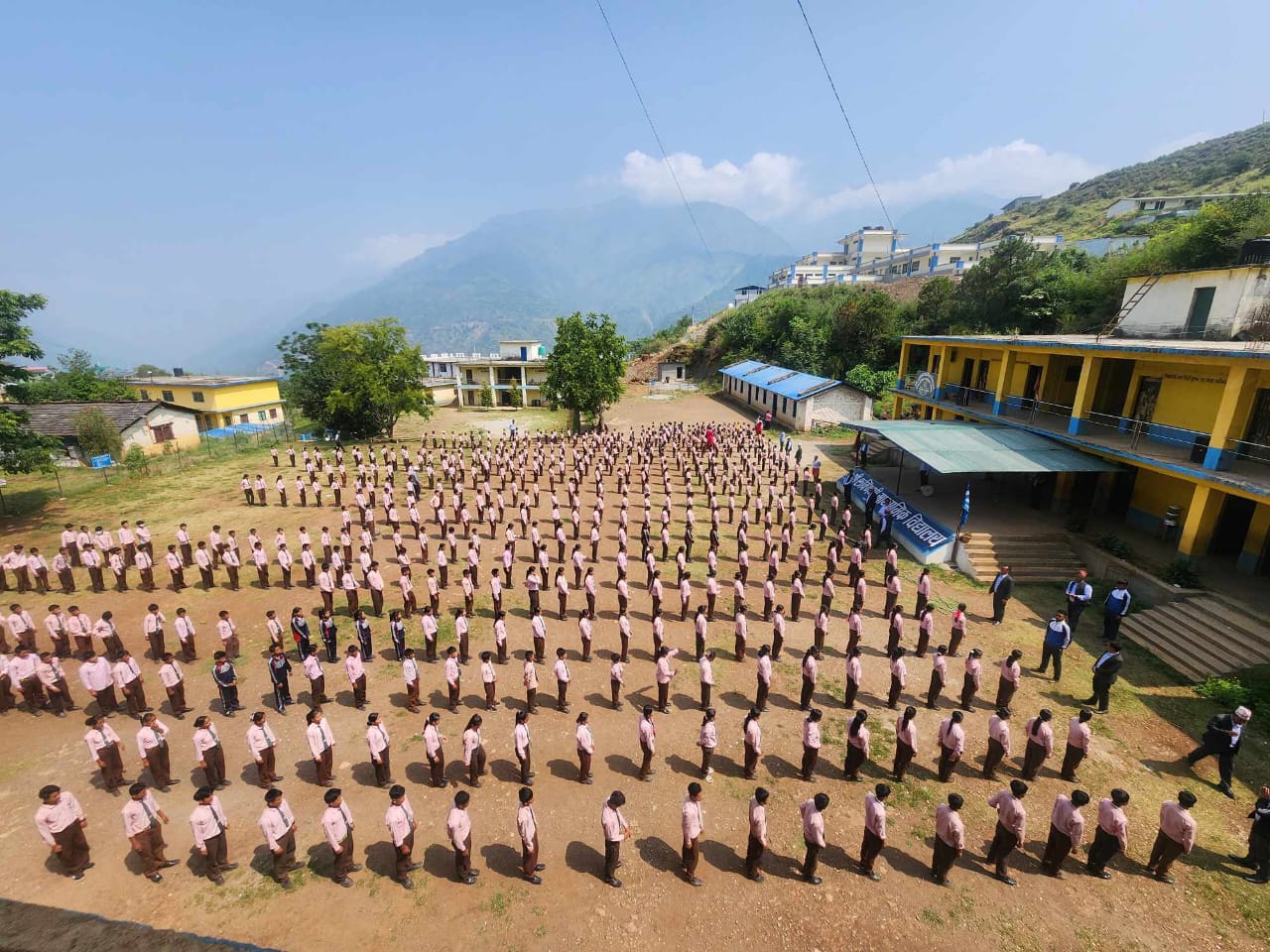
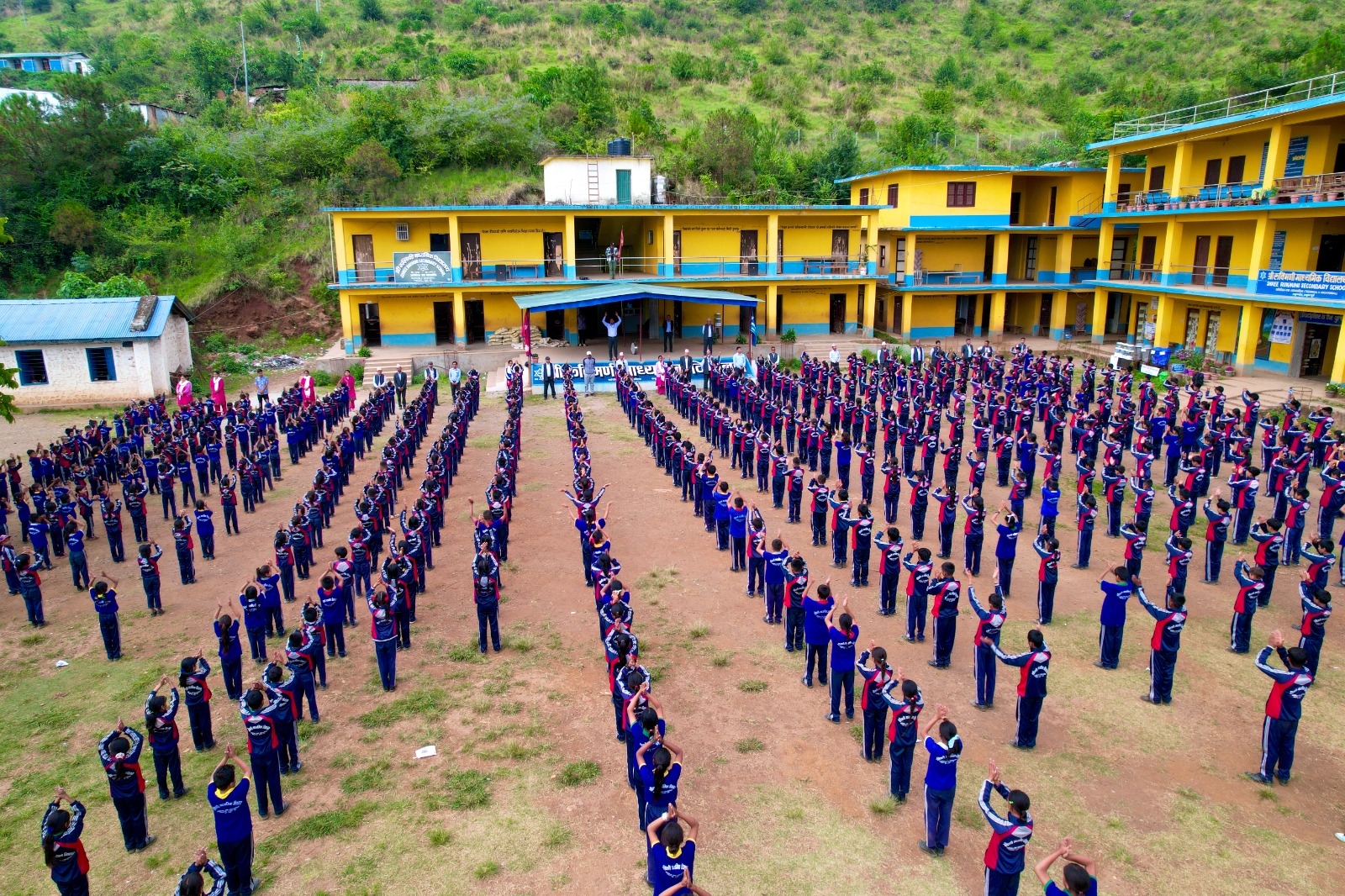
Shree Rukmini Secondary School is located in Rukumkot, Rukum (East), under Sisne Rural Municipality Ward No. 5 of Lumbini Province. Among the 25 secondary schools in the district, it has the highest number of permanent subject-wise teaching positions. The school offers education from early childhood to grade 12 and has sufficient physical infrastructure, land, and a large playground. It serves students from all three rural municipalities in Rukum (East) and even from neighboring districts like Rukum (West), Rolpa, and Salyan.
Currently, the school provides general and technical education in agriculture for grades 9 to 12, including an 18-month JTA program affiliated with CTEVT. The school is recognized as a leader in the district's education sector and serves as a learning hub for surrounding schools, producing skilled and competent human resources.
Ongoing Programs
The school runs regular classes from Nursery to grade 12. The 18-month Agriculture JTA Crop Science program and technical education for grades 9–12 are ongoing. Elective subjects include Mathematics, Economics, Computer Science, and Physical Education. Classes 11 and 12 offer Humanities, Education, Science, and Management streams. A ‘Learn and Earn’ scheme supports economically disadvantaged but talented students by providing beehives.
History Of Rukmini School
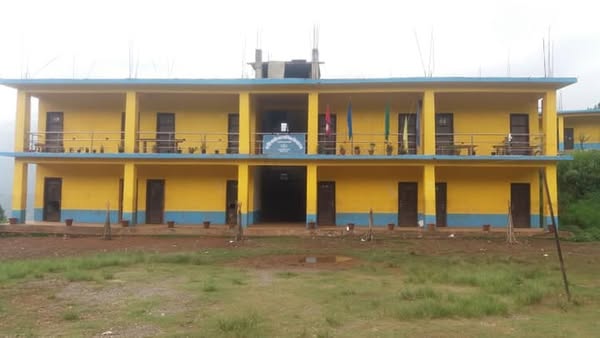
Shree Rukmini Secondary School (Technical and Vocational) is the oldest community school in Rukum (East). It began as a Gurukul on the day of Saraswati Puja in 2004 BS, initiated by education enthusiasts and social workers of the time. Its first teacher was Parshuram Upadhyay. Later, it was named Tribhuvan Public Primary School in 2007 BS and relocated to Kamaldaha. Despite the lack of government funding, community support helped it grow, with official approval for an annual grant of Rs. 300 in 2009 BS. Subsequent management committees played a pivotal role in its development.
Throughout the years, the school expanded from a primary to a middle school (in 2019 BS) and a high school (in 2023 BS). It received permanent recognition in 2026 BS. Community leaders, education supporters, and general citizens of Eastern Rukum have been crucial to its progress.
In 2054 BS, the school began offering higher secondary education in Humanities, followed by Education (2057 BS), Science (2067 BS), Education Science (2071 BS), and a CTEVT-affiliated Agriculture JTA program (2072 BS). The Agriculture Crop Science stream for grades 9–12 was introduced in 2073 BS, and Management stream in 2079 BS.
To enhance financial sustainability, fundraising events like Deusi-Bhailo raised nearly 800,000 rupees. Funds were also collected through religious and educational festivals and contributions from alumni, teachers, parents, and community members locally and abroad.
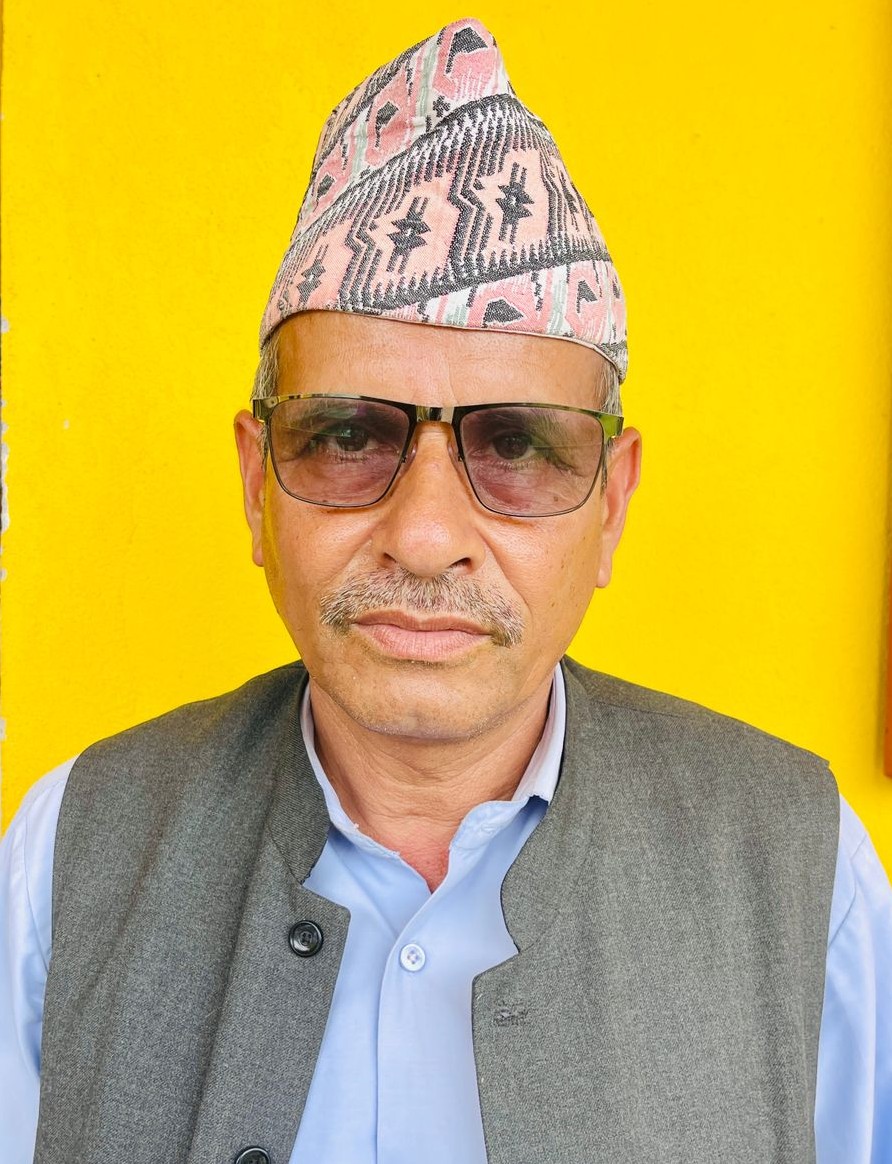
Pancha Bahadur K.C.

Vision
Within five years (2080–2085 BS), Shree Rukmini Secondary School aims to be developed as a model school equipped with modern science and technology.
Mission
1. Enhance educational quality through project-based, technology-friendly teaching methods.
2. Train all teachers in technology-integrated teaching.
3. Equip classrooms with internet-enabled smart boards.
4. Prioritize facilitation in science and technology education.
5. Upgrade and effectively use science, agriculture, and math labs.
6. Provide adequate educational materials for children with special needs.
7. Extend English medium instruction up to grade 10.
8. Build networks with local and international model schools for knowledge exchange.
9. Organize annual educational tours with teachers and students.
10. Improve ICT infrastructure to maximize use in teaching.
11. Launch and update a school website.
12. Develop academic plans and encourage material preparation before each academic year.
13. Construct an administrative building.
14. Upgrade the existing girls’ hostel and build a boys’ hostel.
15. Improve drinking water and toilet facilities.
16. Construct a standard playground and ensure availability of sports materials.
17. Build a large auditorium with 1000-person capacity.
18. Provide rooms, musical instruments, and costumes for extracurricular activities.
19. Establish a model kindergarten.
20. Promote greenery by planting trees in open spaces.
21. Purchase more vehicles for student transportation.
22. Ensure overall school security with guards and shelter.
23. Enhance early childhood classrooms with necessary materials.
24. Construct a well-equipped canteen.
25. Organize interactive programs to increase pass rates and learning outcomes.
26. Upgrade the library into an e-library.
27. Encourage diverse extracurricular activities to develop competitive spirit.
28. Emphasize practical learning in agriculture and science.
29. Appoint a school nurse and establish a health room.
30. Arrange substitute teachers for absenteeism and encourage peer support.
31. Build parking areas for vehicles and bikes.
32. Publish an annual report with statistics.
33. Grow the endowment fund to support needy students.